Model
Napa Valley — protection is what built the value
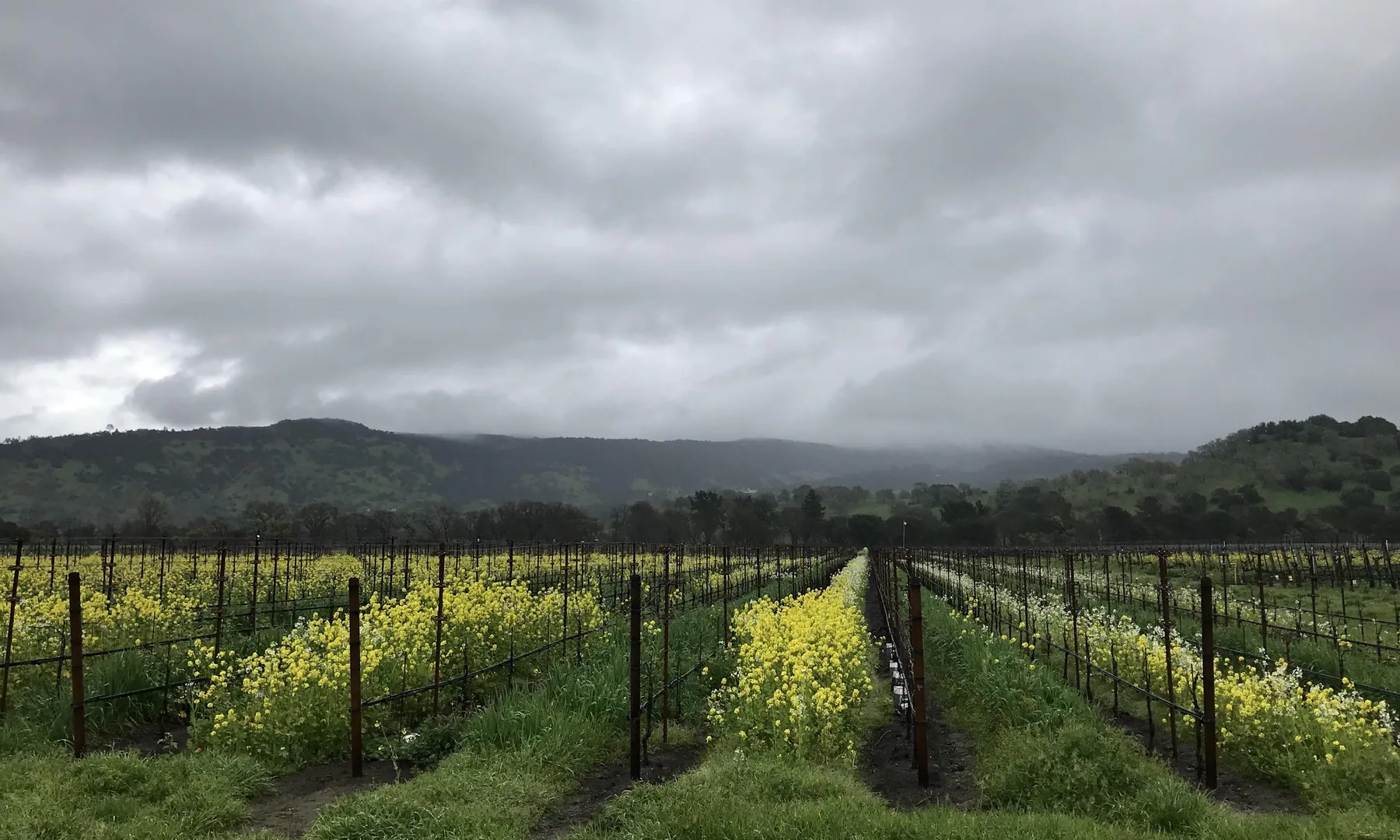
Napa is the strongest proof that protecting farmland creates prosperity rather than limiting it. In 1968, Napa County created the first agricultural preserve in the nation, establishing farming as the land's highest use and holding back incompatible development. It pairs that with California's Williamson Act, which taxes farmland on its agricultural value so owners are not pressured to sell to developers, and with a 1990 ordinance that ties a winery to real farming: at least 75 percent of the grapes must be grown in Napa County, and events and marketing are permitted only as an accessory to on-site production, not as a stand-alone event business. The result is one of the most valuable agricultural economies in the country. Even today, Napa keeps enforcing the line between a winery and an event venue, because the protection that created its value asks for constant tending. Lesson for South Morro Hills: put protection first, and the prosperity follows.
Warning
Temecula Valley — what happens when the plan comes after the growth
An hour north, Temecula shows the other path. Riverside County adopted a Wine Country Community Plan in 2013 for roughly 19,000 acres, but it did so after rapid growth, and it did not require wineries to actually grow grapes on their land. Growers warned at the time that it was "the beginning of the end" for real grape growing, with only about 1,500 acres of vines in the ground. The plan opened the door to special-occasion venues, resorts, and lodging, and the community has managed the consequences ever since, adding an indoor-amplification rule at adoption and reopening the county noise ordinance in 2023 to address event impacts on neighbors. Lesson for South Morro Hills: a plan that arrives after the venues, and that does not tie activity to farming, manages decline instead of preventing it. This is the higher-intensity risk Oceanside faces while its own community plan sits on hold.
Model
Marin County — farming can thrive next to expensive land
Marin County answers the argument that valuable land makes farming impossible. Sitting beside one of the most expensive real-estate markets in the country, Marin has kept its ranches and farms working. In 1980, local ranchers and residents founded the Marin Agricultural Land Trust, the first agricultural land trust in the nation, which has since protected nearly 59,000 acres across 98 ranches, about half of the county's privately owned farmland, through permanent conservation easements. County zoning that allows only one home per 60 acres reinforced it. Lesson for South Morro Hills: high land values are not a death sentence for farming when a community uses the right tools.
Local context
Escondido and San Diego County — our own backyard, and the clock
We do not have to look far. San Diego County produces about 1.66 billion dollars in agriculture a year across roughly 4,000 farms, 94 percent of them family owned, and it leads the nation in nursery and flower production. It is also losing that base quickly. Farmland fell from 36 percent of the county's land in 1954 to about 8 percent today, and the region is losing farms at a rate of roughly two per week. Nearby Escondido shows both sides of the story: a deep farming heritage, from its century-old Grape Day tradition to the roughly 3,000-acre Daley Ranch it chose to preserve in 1996, alongside the same development pressure the whole county faces. The county even has a program that buys permanent agricultural easements from willing owners, but the pressure is relentless. Lesson for South Morro Hills: the loss is happening here, now, and the window to protect what remains is narrow.
Warning
Carlsbad — the difference between a keepsake and a working landscape
Our neighbor to the south offers the most vivid warning. Carlsbad was once covered in bean fields, avocado groves, tomatoes, strawberries, and flowers. Today most of that farmland is neighborhoods, shopping centers, and business parks, and what remains of its celebrated agriculture is the roughly 50-acre Flower Fields, a remnant protected by a 1994 city agreement and open seasonally as an attraction. The flowers are beautiful and worth keeping. But they survive as a keepsake surrounded by development, not as the working farm economy Carlsbad used to be. Lesson for South Morro Hills: preserving one photogenic field as a destination is not the same as preserving working farmland. We would rather protect the landscape than frame its last acre.
Model in progress
Sonoma County — even icons have to manage events
Sonoma, one of the most famous wine regions in the world, still had to draw the line. In 2023, after years of concern about event venues concentrating in its valleys, the county adopted a winery events ordinance setting standards for event size, frequency, hours, and noise, prompted in part by residents organized to preserve the county's rural character. Lesson for South Morro Hills: managing event intensity is not anti-wine or anti-tourism. It is how successful farm regions stay places worth visiting.
Model
Apple Hill — agritourism done right
Apple Hill in El Dorado County shows the version of agritourism we want to see. Founded in 1964, when growers facing a crop blight banded together and diversified into apples, it grew into a beloved destination of more than 50 working farms, built on u-pick orchards, farm stands, and real harvests. The tourism exists to support the farming, not to replace it. Lesson for South Morro Hills: genuine, farming-first agritourism can be a thriving destination, which is exactly what Oceanside's vision intended.
Model
Santa Ynez Valley — a plan that keeps growth in its place
In Santa Barbara County, the Santa Ynez Valley uses a community plan, adopted in 2009, to protect its farmland and rural character while directing growth into existing town boundaries and treating tourism as something that fits the open landscape rather than overrunning it. Lesson for South Morro Hills: a finished community plan is the instrument that keeps growth aligned with farming, the very plan Oceanside began and then paused.