
Farmland protection
The protections come before the profits.
Every farm region in California that still farms protected its land first, and let tourism follow. Napa County created the nation’s first agricultural preserve in 1968, paired it with the Williamson Act, and did not write its winery event rules until 1990. Marin ranchers founded the nation’s first agricultural land trust in 1980 and have since protected nearly 59,000 acres in permanent easements, which is why farming survives there beside one of the most expensive real estate markets in the country. Apple Hill built a destination on more than 50 working farms, where the tourism exists to support the farming.
In each case the protection came first, and the prosperity followed. Deregulation is not what made Napa.
Where Oceanside stands
Oceanside has the order reversed.
The City authorized an agritourism strategic plan in 2015 to create supplemental revenue for farmers, and adopted the lower-intensity, farm-based uses in 2018. In 2019, facing a large development proposal, the Council unanimously directed staff to prepare the South Morro Hills Community Plan and to limit further development until it was ready.
Some South Morro Hills parcels are enrolled in Williamson Act contracts, with the City of Oceanside as the contracting jurisdiction. That is worth saying plainly, because it means the tool works here and growers already use it.
What it does not mean is that the land is protected.
- A Williamson Act contract is reversible. Either the landowner or the City can file a notice of nonrenewal. It costs nothing, needs no public vote, and the contract simply runs out.
- Nonrenewal is quiet. Nothing announces it, and by the time the term expires the decision is years old.
- Enrollment is partial. It covers the parcels whose owners chose it, not the corridor.
So the land holds a reversible tax agreement on some parcels, and nothing permanent anywhere. That is the gap this page is about, and it is one the Council can close.
What we ask of the City
Five steps, in order.
None of this requires inventing anything. Every instrument below is already working somewhere in California.
01
Put the protections in place first
Direct staff to return with farmland protection tools for South Morro Hills: an agricultural preserve or overlay, support for Williamson Act contracts, and participation in agricultural conservation easement programs, including the County’s purchase of agricultural conservation easements. These are proven tools, already in use across California.
02
Finish the South Morro Hills Community Plan
In 2019 the Council unanimously directed staff to prepare it, and to limit further development until it was ready. It is the instrument the Council itself called for to decide higher-intensity uses, and no higher-intensity entitlement should move ahead of it.
03
Close the gap in Article 14
State plainly that commercial weddings and event venues are not incidental to agriculture, regardless of how much of a site is farmed. Keep agritourism to the farm-based uses the City adopted in 2018, and require cumulative review of non-agricultural uses across the corridor rather than parcel by parcel.
04
Ask for public emergency access and evacuation review
The roads serving the corridor are narrow and winding, one lane each way, with no sidewalks, shoulders, or emergency lane, and South Morro Hills has limited egress. The City adopted updated Cal Fire hazard severity zone maps in June 2025, its first update since 2007. Access, circulation, event parking, and evacuation should be reviewed in public, before a hearing, for any proposal that concentrates people in the corridor.
05
Build the visitor economy on working farms
Direct staff and Visit Oceanside to develop the farm-based visitor economy with the growers who are still here: u-pick, harvest days, farm education, and farm-to-table experiences. That is where the unrealized revenue sits, and it is the version that keeps the farms farming.
What protection is worth
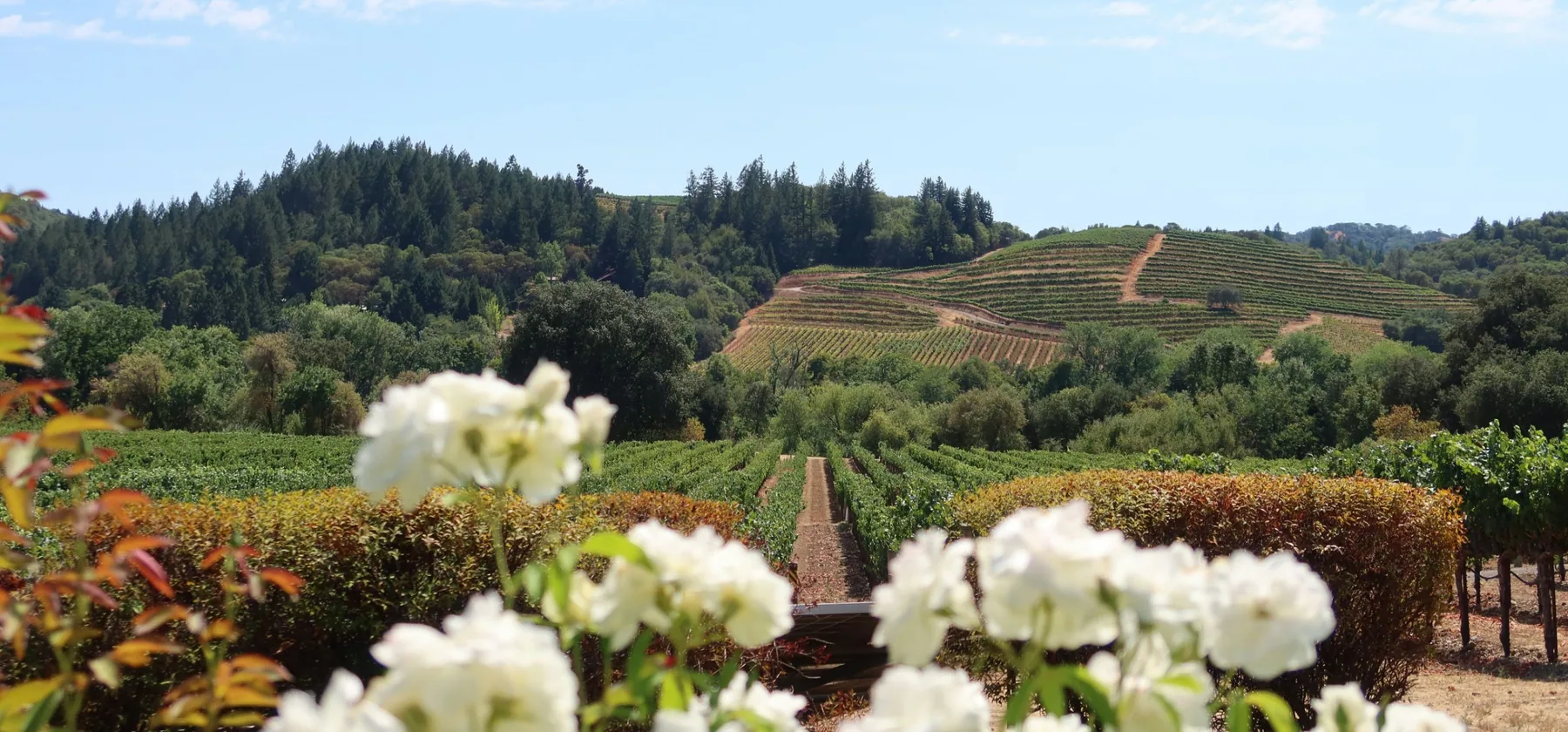
The landscape Napa protected in 1968.
$2.8B
Total economic impact, Napa County, 2025
15,300
Jobs supported, about one in seven in the county
3.8M
Visitors in 2025
$294M
State and local tax revenue
Oceanside’s visitor economy is strong and almost entirely coastal: $622.5 million in travel-related spending in 2025, up 5.5 percent over 2024, $46 million in state and local tax revenue, and 4,090 hospitality jobs. Almost none of it is agricultural.
That gap is the opportunity, and it depends on the farms still farming.
The demand is for the farm itself
This opportunity does not depend on wine.
Gallup’s July 2025 survey put the share of U.S. adults who drink at 54 percent, the lowest in a nearly 90-year trend, and 50 percent among adults 18 to 34. Napa is responding by broadening beyond the glass, adding food, coffee, workshops, music, wellness, and non-alcoholic tastings, with Visit Napa Valley directing 40 percent of its marketing toward the next generation of visitors.
Meanwhile the farm-experience market is growing. U.S. farms earned $1.26 billion from agritourism in 2022, up 12.4 percent from 2017 after inflation. Visitors are paying to pick their own food, join a harvest, meet the animals, and work alongside the farmer.
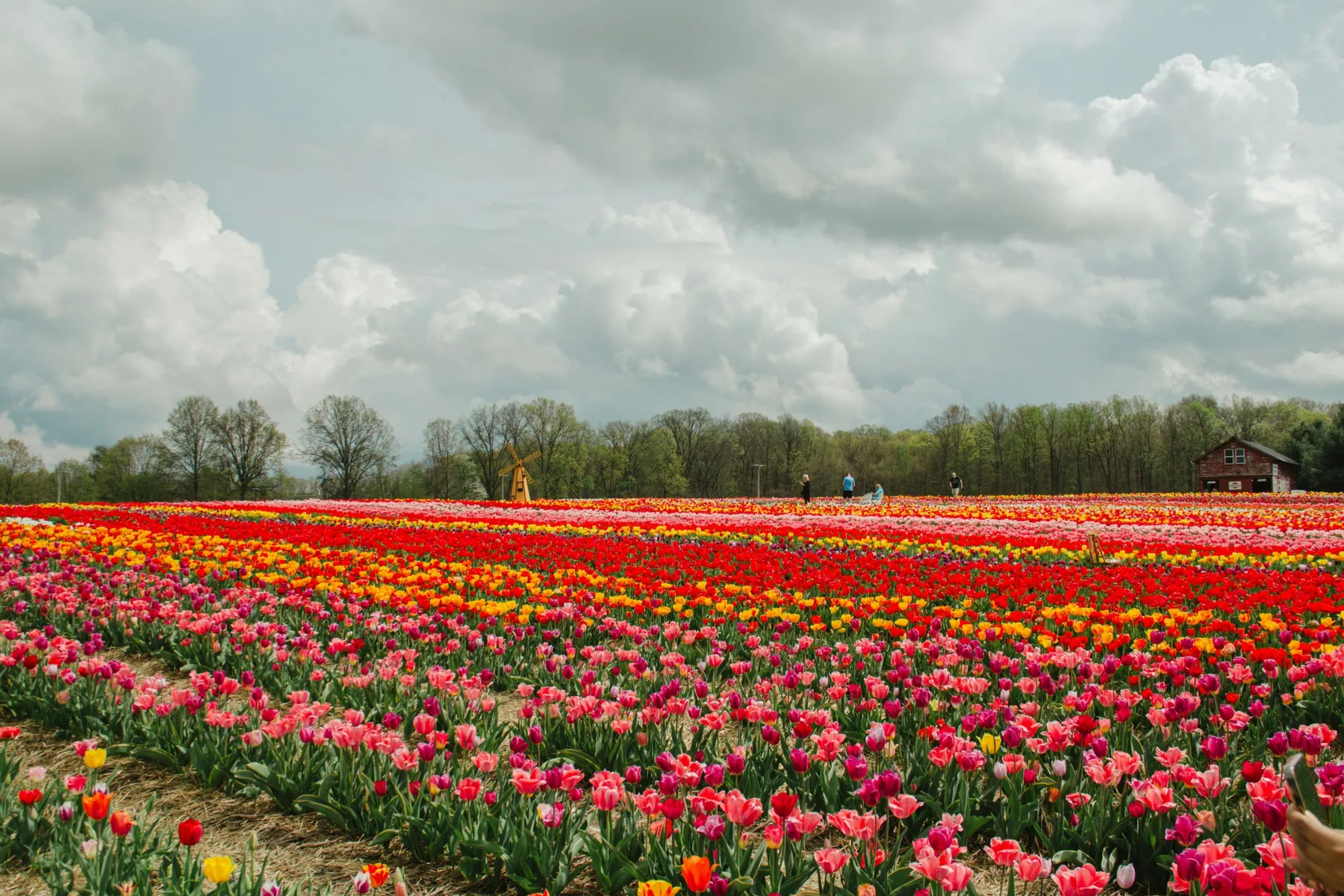
Those experiences run in daylight, welcome families, need no liquor license, and create none of the late-night noise, traffic, or access problems that follow an event venue. From Ventura County to the Mexican border, no other coastal city has a working agricultural corridor of this size. Oceanside has world-class surf and a working farm valley a few miles apart, and in this region that combination is the city’s alone.
Sources
Napa visitor economy figures: Visit Napa Valley, 2025. Oceanside travel-related spending and hospitality employment: Visit Oceanside, 2025. Drinking-rate trend: Gallup, July 2025. Agritourism revenue: USDA Census of Agriculture, 2022, inflation-adjusted against 2017. Napa Agricultural Preserve, 1968. Marin Agricultural Land Trust, founded 1980. Oceanside agritourism strategic plan authorized 2015; Tier 1 zoning amendments adopted 2018; South Morro Hills Community Plan directed by Council 2019. Cal Fire fire hazard severity zone maps adopted by the City June 2025. Photographs on this page are free-licence stock illustrating other agricultural regions, not Oceanside.